
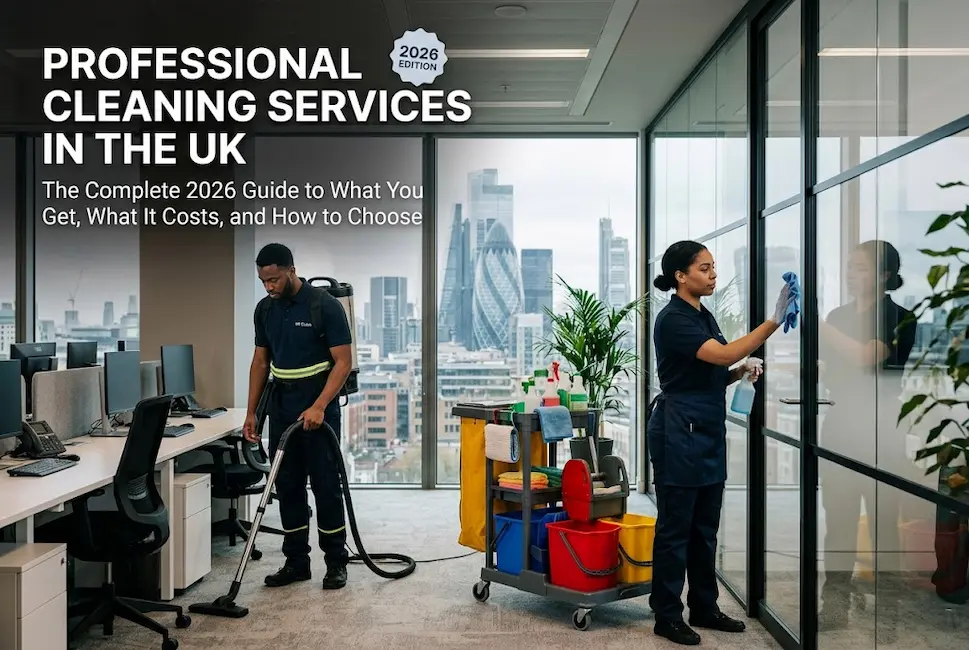
You book a deep clean. The cleaner arrives, does the kitchen and bathroom, and leaves. Then you open the oven. It was never included.
Or you pay for an end-of-tenancy clean, hand back the keys, and later lose part of your deposit because the landlord says the property was not cleaned to the required standard.
The problem is usually not the cleaning itself. It is the scope, standards, and accountability behind the service.
Professional cleaning service in the UK is not one service. It covers regular domestic cleaning, carpet cleaning, upholstery cleaning, end-of-tenancy cleaning, and commercial cleaning. Each has a different scope, different standards, and different pricing logic.
This guide maps the whole landscape. You will learn what each service should include, what you should expect to pay, which standards matter, and how to vet a cleaning company before handing over your keys or letting someone into your home.
The goal is simple: know what you are buying before the cleaner arrives.
Each specialist service covered below also links to a dedicated guide where you can examine the details in greater depth.
Key Takeaways
- Professional cleaning covers five distinct service types: regular domestic, carpet, upholstery, end-of-tenancy, and commercial cleaning. Each has its own scope, standards, and pricing logic.
- Professionalism is about accountability, not just the final appearance. Vetting, insurance, a defined scope, and a written re-clean guarantee separate an accountable service from an unregulated arrangement.
- Transparent pricing means knowing what is included before work starts. That might mean a flat rate, a per-room quote, or a contract, depending on the service.
- Vetting, appropriate DBS checks, and public liability insurance matter when someone is working inside your home or on your premises. Do not assume that every cleaner has the same level of screening or cover.
- Specialist work needs specialist standards. A general domestic cleaner should not automatically be treated as a carpet technician or as the right person to handle an end-of-tenancy clean where deposit recovery is at stake.
The UK Professional Cleaning Landscape
The UK cleaning market is large and highly fragmented. In 2026, there will be around 75,565 cleaning businesses across the UK, including approximately 13,655 in London alone. Domestic cleaning rates also vary considerably by location. Figures cited from Checkatrade put typical domestic rates at roughly £15–£25 per hour outside London and £20–£35 in London.
That fragmentation matters.
Two cleaners can both advertise themselves as "professional" while offering very different levels of screening, insurance, service scope and accountability. One may be an experienced independent cleaner with appropriate cover. Another may have little formal vetting and no clear process for handling damage, missed visits or complaints.
The word professional is not a standard. You need to look at what sits behind it.
The market broadly falls into five service categories: regular domestic cleaning, carpet cleaning, upholstery cleaning, end-of-tenancy cleaning, and commercial cleaning. Each solves a different problem and should be judged against different standards.
That is why choosing a cleaner should start with the service you actually need, then move to scope, qualifications where relevant, insurance, vetting and guarantees.
Regular Domestic Cleaning: What a Professional Visit Actually Includes
A regular domestic clean is designed to maintain a property, not restore years of accumulated dirt.
A standard visit will normally cover dusting accessible surfaces, hoovering floors and carpets, mopping hard floors, cleaning kitchens and bathrooms, wiping frequently used surfaces and dealing with general household dirt. Depending on the service, you may also be able to add bed changes, laundry or ironing.
The important question is not simply what a cleaner does. It is what they have agreed to do.
Routine cleaning does not automatically include specialist work. Oven deep cleaning, carpet steam cleaning and upholstery cleaning normally require separate services, equipment or techniques. A cleaner should tell you this before the appointment rather than leaving you to discover it afterwards.
How often should you book?
Weekly cleaning is usually the easiest option for a busy household because less dirt and build-up accumulates between visits. Fortnightly cleaning can work well when the household can handle more of the day-to-day maintenance itself. Monthly visits are more suitable for properties that remain relatively easy to maintain.
There is another practical consideration: weekly cleaning can offer better value over time because each visit starts from a more manageable baseline.
If a property has already been neglected, a professional may recommend a one-off deep clean before beginning regular visits. That is not necessarily upselling. Sometimes it is the only honest way to establish a baseline that regular cleaning can maintain.
How Domestic Cleaning Pricing Models Differ
The pricing model affects what you are actually buying.
With an hourly cleaner, you are primarily paying for time. If a job takes longer than expected, the cost can increase. The cleaner also has little commercial incentive to finish faster because the clock determines the charge.
An agency may charge more because the price can include elements such as vetting, insurance, administration and replacement cover.
A flat-rate service works differently. The price is attached to a defined scope rather than the number of hours spent on the property. That shifts the focus towards the agreed outcome.
This is where flat-rate home cleaning becomes relevant. A properly defined flat-rate service should make clear what is included, what is excluded and how cleaner consistency is handled. Using the same vetted cleaner on each visit can also make it easier to maintain the agreed standard rather than repeatedly explaining your home and preferences to someone new.
| Pricing model | Typical rate / approach (2026) | What you get | Watch out for |
|---|---|---|---|
| Independent cleaner | £15–£25/hr outside London; £20–£35/hr in London | Direct relationship with the cleaner; arrangements may be informal | Insurance and vetting are not guaranteed. There may also be no replacement if the cleaner is ill or on holiday. |
| Cleaning agency | Around £25–£30/hr UK average | Agency-managed service, with vetting, insurance and potentially replacement cover | Confirm exactly what the hourly rate covers and whether the task list is documented. |
| Flat-rate service | Set price per visit, not per hour | Defined scope, predictable cost and, where offered, the same vetted cleaner each visit | Confirm exactly which tasks the flat rate includes before booking. |
Specialist Cleaning: Carpets and Upholstery
Carpets and upholstery are not just larger surfaces to hoover and wipe. They are specialist materials that can be damaged by the wrong cleaning method.
A general cleaner should not automatically be treated as a carpet or upholstery technician.
The method has to match the fibre, construction, dye and level of soiling. Get that wrong and you can cause shrinkage, colour loss, dye bleed, water marks or permanent fabric damage. This is where the difference between ordinary cleaning and professional specialist work becomes obvious.
Carpet Cleaning: Methods, Costs, and What to Demand
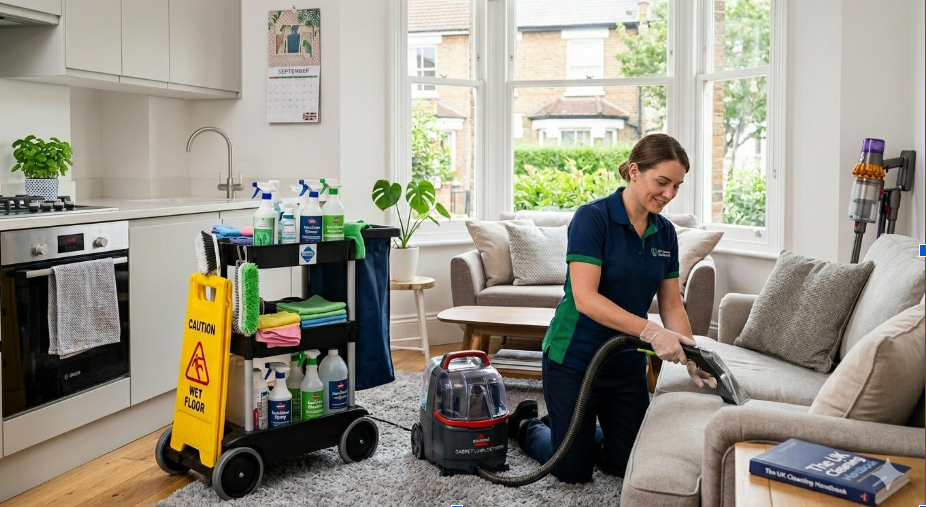
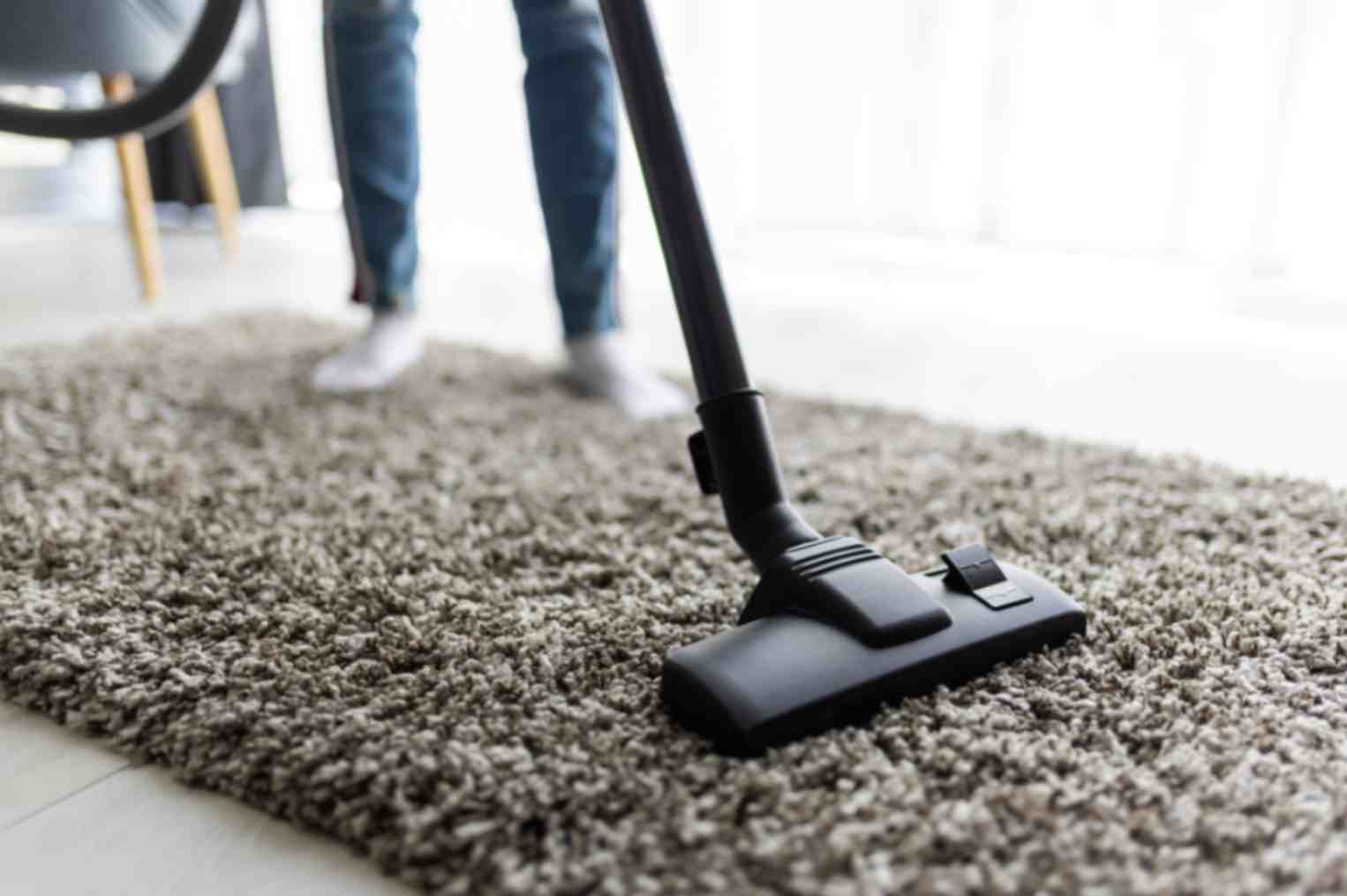
There are two main approaches to professional carpet cleaning: hot water extraction, commonly called steam cleaning, and low-moisture or dry cleaning.
Hot water extraction uses a cleaning solution and controlled water application to loosen and extract embedded soil. It can be highly effective on carpets that have accumulated substantial dirt, provided the carpet is suitable for the process and the technician controls moisture properly.
Low-moisture methods use considerably less water. Depending on the system, this can make them useful where faster drying is important or where the carpet and circumstances are better suited to a lower-moisture process.
There is no single method that is automatically best for every carpet. The fibre matters. The carpet construction matters. The level and type of soiling matters. A professional should assess these factors before deciding how to clean it.
The quote should also tell you what you are actually buying. A vague "whole house carpet clean" price tells you very little. A transparent quote should identify the number of rooms or the approximate square metreage, the cleaning method being proposed and any additional treatment that is genuinely required.
For a detailed breakdown of UK methods and current costs, see our guide to professional carpet cleaning, which explains how the different methods work and what a transparent 2026 quote should contain.
Do not automatically choose the cheapest quotation. A very low price can indicate that the operator is providing little more than a quick surface treatment. Soil that has not been properly extracted can work its way back towards the carpet surface as it dries. You may get a carpet that looks better immediately and then appears dirty again within days.
Professional carpet cleaning is about controlled cleaning, appropriate equipment and the right method for the material — not simply making the carpet wet.
Sofa and Upholstery Cleaning: Fabric Care Codes and Methods
Upholstery requires the same discipline, but the consequences of getting the method wrong can be even more obvious.
Before cleaning a sofa, a professional should check the manufacturer's fabric care code. These codes, usually shown on a label attached to the furniture, indicate which types of cleaning are considered suitable for the fabric. That check should happen before the cleaning solution or machine touches the sofa.
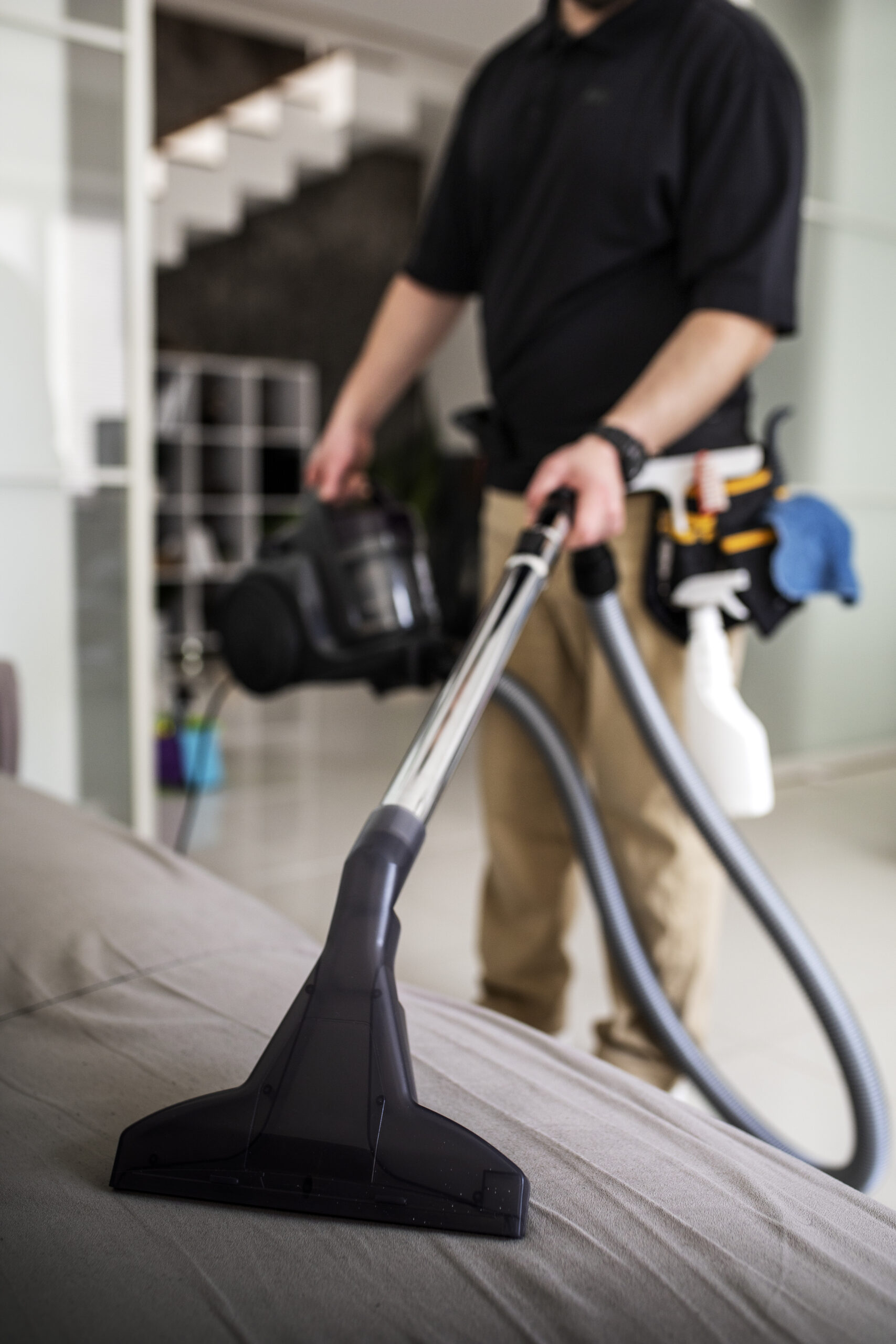
Depending on the material and care instructions, professional upholstery cleaning may involve extraction, low-moisture cleaning or dry-solvent methods. The correct choice depends on the fabric and its condition.
Ignore the care code and the risks are real. Water-sensitive fabrics can develop water rings. Excess moisture can contribute to shrinkage. Unstable dyes can bleed into surrounding areas. A technique that works perfectly well on one sofa can damage another.
That is why "we clean all sofas the same way" is not a professional standard.
A transparent sofa quotation should identify the item or number of seats, the relevant fabric type where known, and the proposed cleaning method. Additional charges should also be explained before the work begins rather than appearing after the technician has finished.
Our dedicated sofa cleaning guide covers fabric care codes, professional upholstery methods and how transparent sofa pricing should work.
The principle is straightforward: specialist material requires specialist assessment. If the cleaner cannot tell you how they will determine whether your carpet or sofa is suitable for their chosen method, ask questions before you hand over the job.
End-of-Tenancy Cleaning: Protecting Your Deposit
For most renters, an end-of-tenancy clean is the highest-stakes cleaning job they will book.
The standard is not simply "clean." The property needs to be returned in a condition that is consistent with the agreed tenancy requirements and the condition recorded at check-in.
That means an inventory-aligned clean starts with the check-in inventory and the tenancy agreement's cleaning requirements. A generic end-of-tenancy checklist is useful, but it cannot replace the documents that define what condition the property was expected to be in.
This distinction matters because cleaning is a common source of deposit disputes. A tenant can believe a property is clean while a landlord or agent points to specific differences between the check-in and check-out condition.
Why the Written Re-Clean Guarantee Matters
Price should not be your first question when comparing end-of-tenancy cleaners. Ask about the guarantee.
A written re-clean guarantee means the company's commitment is documented. If a covered cleaning issue is identified within the agreed terms, the company has a defined obligation to return and address it rather than leaving you to argue about whether the original service was adequate.
That changes the nature of the risk. Without a written guarantee, you can end up with a disagreement between tenant, landlord, agent and cleaner. With one, there is at least a documented process for resolving cleaning issues.
Our dedicated end-of-tenancy cleaning guide explains what inventory-aligned cleaning means and what you should look for in a written re-clean guarantee.
A guarantee does not force a landlord or deposit scheme to return your deposit. It cannot override the tenancy agreement or the evidence in a check-out report.
What it can do is remove a legitimate cleaning failure from the equation by giving the cleaning company a defined opportunity to correct its own work. That is the protection worth paying attention to.
Commercial Cleaning: Contracts, Compliance, and Transparent Rates
Commercial cleaning is not domestic cleaning performed in a larger building. The relationship is different. The service is usually governed by a written contract, defined schedule, compliance requirements and agreed service standards rather than an informal arrangement between a homeowner and one cleaner.
A business hiring cleaners should know who is entering its premises and what responsibilities the contractor has.
At a minimum, ask about staff vetting and training, public liability insurance, relevant health and safety requirements, and the exact scope of work. The requirements can become more specific depending on the premises, activities and risks involved.
Pricing needs the same discipline. Commercial cleaning may be priced per visit, per square metre or through a contract-based arrangement. The model matters less than the information behind the figure.
A proper commercial quotation should state:
- what areas are being cleaned;
- which tasks are included;
- how frequently the service takes place;
- what equipment or consumables are included;
- whether specialist work is charged separately; and
- the agreed rate and contract terms.
A low headline rate is meaningless if essential tasks appear later as extras.
For businesses in London, the market deserves particular attention because labour costs and operating requirements can be higher. Our dedicated commercial cleaning guide covers London commercial cleaning pricing, vetting and compliance in more detail.
For a small business owner or office manager making a first booking, the objective is not to find the cheapest cleaner. It is to know exactly what the business is committing to before the first cleaner walks through the door.
What "Professional" Should Mean: Vetting, Insurance, and Standards
The word professional should mean something you can verify.
After running thousands of cleans across homes, tenancies and commercial premises, the difference I look for is not whether someone can make a room look clean. Most cleaners can do that.
The question is what happens when something goes wrong.
DBS Checks
A DBS check can be important when cleaners work in homes where children or vulnerable adults are present. It provides information about an individual's relevant criminal record, subject to the level and rules of the check.
Do not simply accept "DBS checked" as a badge of quality. Ask whether the relevant staff member has actually been checked and, where appropriate, what level of check was carried out. A DBS check is also not a substitute for references, insurance or proper management. It is one part of the vetting process.
Public Liability Insurance
Public liability insurance protects against certain claims arising from accidental injury or property damage caused in connection with the business. That matters when someone is working in your home or premises.
If a cleaner accidentally damages a surface, breaks an item or causes an incident involving a third party, you do not want the entire issue resting on an informal promise to "sort it out".
Ask the provider to confirm that they hold current public liability insurance and, where relevant, ask to see evidence of cover. Do not assume that because a company has a website, it is automatically insured.
Training and BICSc Accreditation
Cleaning is a practical trade, but professional cleaning still requires knowledge of materials, chemicals, equipment, processes and safe working practices.
BICSc training or equivalent industry accreditation is a useful signal because it indicates that the cleaner has received structured training around professional cleaning methods and standards rather than relying entirely on informal experience.
It does not make someone automatically better than every independent cleaner. It does, however, give a client something concrete to ask about when assessing training standards.
For specialist work, the training and experience should match the job. Carpet cleaning, upholstery cleaning and other material-sensitive work should not be treated as an automatic extension of routine domestic cleaning.
References You Can Actually Verify
References should be more than anonymous testimonials on a website. Where appropriate, ask for evidence of relevant previous work or references that can genuinely be verified. For commercial contracts, this can mean asking about comparable premises and service requirements rather than simply looking for five-star reviews.
The useful question is not "Do people like this company?" It is "Has this provider successfully delivered this type of service before?"

Professional Accountability Checklist
Use this before booking any cleaning provider.
- DBS check confirmed where relevant
- Public liability insurance confirmed
- Written scope of tasks provided
- Pricing basis clearly explained
- Named cleaner or account manager identified
- Written guarantee or re-clean policy provided
- Specialist qualifications or training confirmed where required
A cleaner who is cheap, uninsured, and unvetted is not a bargain. It is a liability with a mop. The cleaning itself is the easy part. The accountability layer is what you are really paying for.
How to Choose a Cleaning Service: A Decision Framework
Do not start with the cheapest quote. Start with the service you actually need.
1. Identify the service type
Decide whether you need regular domestic cleaning, carpet cleaning, upholstery cleaning, end-of-tenancy cleaning or commercial cleaning. The wrong category creates problems before the cleaner even arrives.
2. Confirm the professional standard
Once you know the service, establish what competent delivery should involve. A routine domestic clean has different requirements from carpet extraction. An end-of-tenancy clean has different requirements from weekly maintenance cleaning.
3. Compare quotes on scope before price
A quote is only useful when you know what it covers. The scope should identify the rooms, condition, priorities, exclusions and expected standard. "Deep clean" on its own means very little. There is no universal list of tasks hidden behind those two words.
4. Check the accountability layer
Confirm the relevant vetting, insurance, training, references, guarantee and management arrangements. This is the point at which a cheap but poorly documented provider can stop looking cheap.
5. Book with written confirmation
Before the work starts, have the agreed scope and pricing basis confirmed in writing. That document becomes the reference point if there is a disagreement later.
Always compare scope before price. Two quotes can be £100 apart and both be fair. One may include the oven, inside of the fridge and windows. The other may exclude all three. The cheaper quote is only cheaper when the scope is identical.
Common Pitfalls and Misconceptions
Reality: It does not. One company may include the oven and internal cupboards while another may not. Ask for the task list rather than relying on the label.
Reality: Cheap quotes often become cheap by reducing the scope. Compare the actual rooms, tasks, exclusions and expected standard before comparing the final figure.
Reality: It can become your problem when something is damaged or someone is injured. Confirm public liability insurance rather than assuming it exists.
Reality: Specialist materials need specialist methods. The wrong process can cause shrinkage, dye bleed, water marks or permanent damage.
Reality: The relevant comparison is the property's required condition and the evidence recorded through the inventory and check-out process. A generic idea of cleanliness is not the standard that settles a deposit dispute.
Frequently Asked Questions
What is included in a standard cleaning visit?
What does a regular cleaner not do?
How much does a cleaner cost per hour in the UK?
What checks should a cleaner have before entering my home?
What does "deep clean" actually mean?
Is hiring a professional cleaner worth it?
How often should I book a cleaner?
Conclusion
The UK cleaning market is fragmented, and "professional" does not have one universal meaning. One provider may offer proper vetting, insurance, defined scopes and written guarantees, while another may simply advertise the same service with none of those safeguards.
The solution is not complicated. Identify which of the five cleaning services you actually need, understand the standard that applies to that service, and check the provider's accountability layer before comparing the final price.
Use the Professional Accountability Checklist, confirm the scope in writing, and make sure you know exactly what is included before the cleaner arrives.
You are not buying hours of cleaning. You are buying a defined outcome — with someone accountable for delivering it.
Ready to Book with an Accountable Cleaning Team?
Every Best Cleaning Solutions job starts with a free, no-obligation quote, a defined scope in writing, and a vetted cleaner who knows exactly what they're delivering.